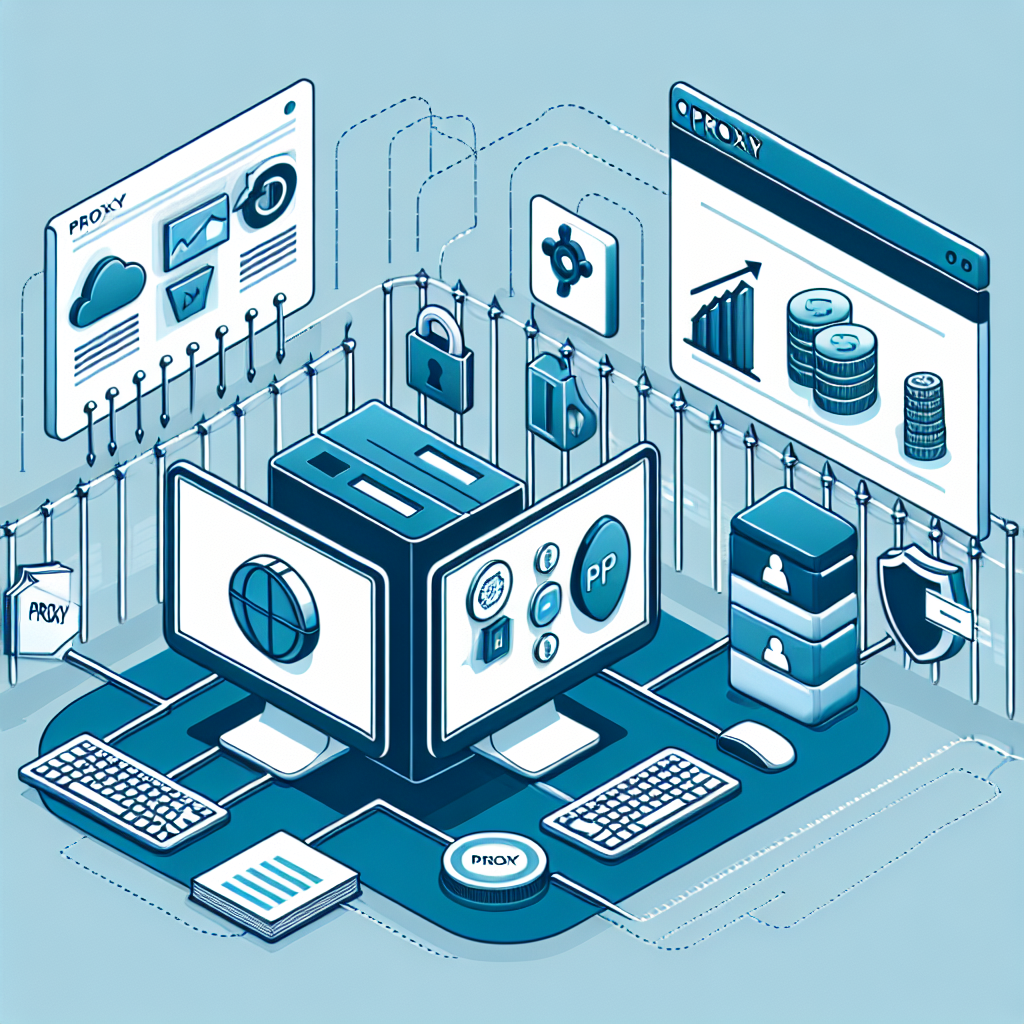
Proxies can be employed to optimize scraping on the World Bank website, avoiding IP-based limitations and ensuring continuous access for extracting economic data, reports, and publications.
How to Use Proxies to Optimize Scraping on the World Bank Website
Proxies can be a valuable tool when it comes to optimizing scraping on the World Bank website. By using proxies, you can avoid IP-based limitations and ensure continuous access for extracting economic data, reports, and publications. In this article, we will guide you through the process of using proxies effectively to enhance your scraping experience on the World Bank website.
Firstly, let’s understand what proxies are and how they work. Proxies act as intermediaries between your computer and the website you are accessing. When you send a request to the World Bank website, it goes through the proxy server first, which then forwards the request to the website on your behalf. This way, your IP address remains hidden, and the website sees the request coming from the proxy server instead.
To start using proxies for scraping the World Bank website, you need to find reliable proxy providers. There are numerous proxy providers available online, offering both free and paid options. It is recommended to opt for paid proxies as they generally offer better performance, reliability, and security. Look for providers that offer a wide range of proxy locations to ensure you have access to different regions.
Once you have chosen a proxy provider, you will need to configure your scraping tool to use the proxies. Most scraping tools have built-in proxy support, allowing you to easily input the proxy details. You will typically need to provide the proxy IP address, port number, and authentication credentials if required. Make sure to follow the instructions provided by your scraping tool to set up the proxies correctly.
When scraping the World Bank website, it is essential to rotate your proxies regularly. This means using a different proxy for each request you send to the website. Rotating proxies helps to avoid detection and prevents your IP address from being blocked by the website’s security measures. Many proxy providers offer rotating proxy options, allowing you to automate the process and ensure a seamless scraping experience.
Another important aspect to consider is the location of your proxies. The World Bank website may have certain restrictions or limitations based on geographical regions. By using proxies from different locations, you can bypass these restrictions and access the desired data without any hindrance. For example, if you need to scrape data specific to a particular country, using proxies from that country will ensure accurate results.
It is worth noting that while proxies can optimize scraping on the World Bank website, it is essential to use them responsibly and ethically. Make sure to comply with the website’s terms of service and avoid overloading the server with excessive requests. Scraping should be done in a respectful manner, ensuring that the website’s resources are not compromised.
In conclusion, proxies can greatly enhance your scraping experience on the World Bank website. By using proxies, you can overcome IP-based limitations, ensure continuous access, and extract the economic data, reports, and publications you need. Remember to choose reliable proxy providers, configure your scraping tool correctly, rotate your proxies regularly, and consider the location of your proxies. With these considerations in mind, you can optimize your scraping efforts and make the most out of the World Bank website’s valuable resources.
Q&A
Yes, proxies can be employed to optimize scraping on the World Bank website, avoiding IP-based limitations and ensuring continuous access for extracting economic data, reports, and publications.