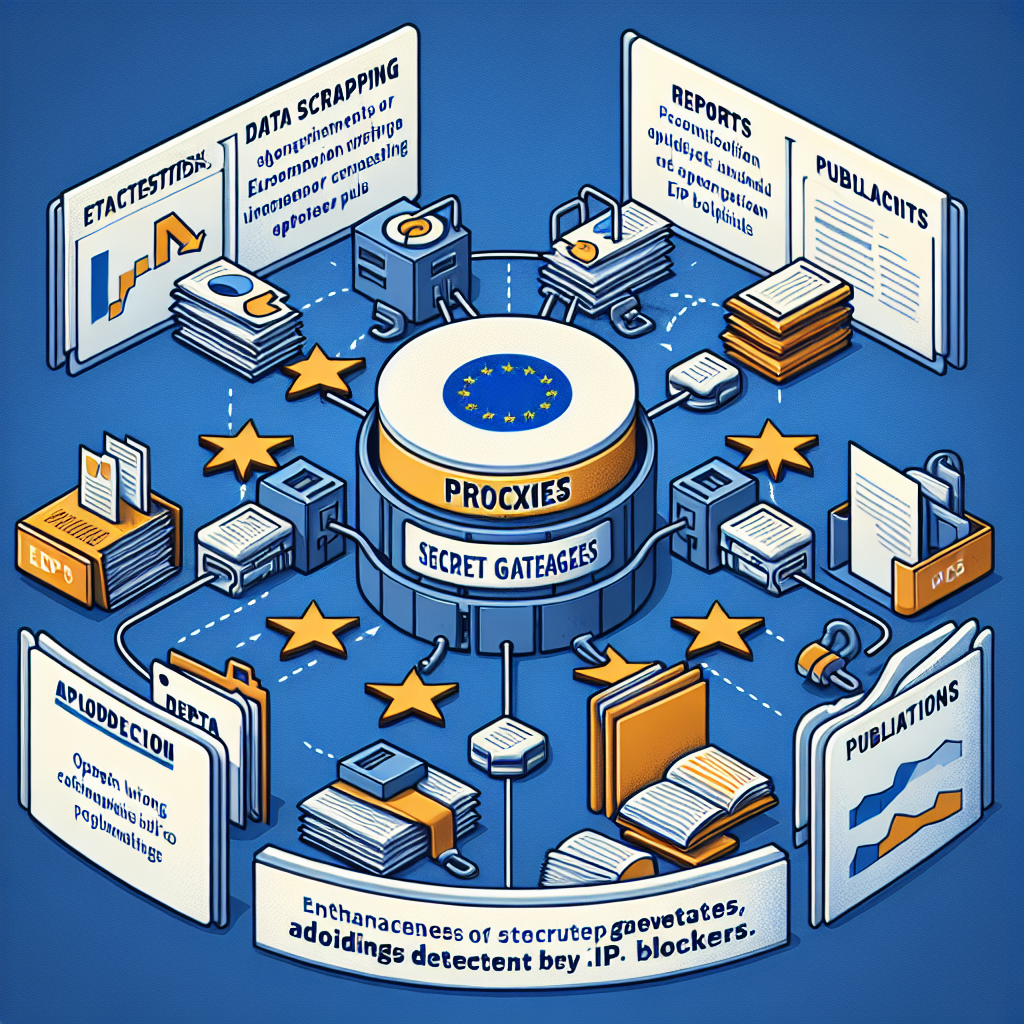
Proxies can enhance scraping on the European Union Open Data Portal by preventing IP blocks, ensuring continuous access to EU-related datasets, reports, and publications.
How Proxies Enhance Scraping on the European Union Open Data Portal
Proxies can enhance scraping on the European Union Open Data Portal by preventing IP blocks, ensuring continuous access to EU-related datasets, reports, and publications. Scraping data from websites has become an essential tool for researchers, businesses, and individuals seeking to gather information for various purposes. However, when it comes to scraping on the European Union Open Data Portal, there are certain challenges that need to be overcome. This is where proxies come into play.
The European Union Open Data Portal is a valuable resource that provides access to a vast amount of data, reports, and publications related to the European Union. It offers a wide range of datasets covering various topics such as agriculture, economy, environment, and more. However, the portal has implemented measures to prevent excessive scraping, including IP blocks. This means that if you attempt to scrape the portal using a single IP address, you may be blocked from accessing the data.
To overcome this challenge, proxies can be used. Proxies act as intermediaries between your computer and the website you are scraping. When you send a request to access the European Union Open Data Portal through a proxy, the request is first routed through the proxy server. The proxy server then forwards the request to the portal on your behalf, masking your original IP address.
By using proxies, you can rotate your IP address, making it appear as if multiple users are accessing the portal instead of just one. This helps to prevent IP blocks, as the portal cannot distinguish between genuine users and scrapers. With a pool of proxies, you can switch between different IP addresses, ensuring continuous access to the data you need.
Furthermore, proxies offer the advantage of geolocation. The European Union Open Data Portal may have certain restrictions on access based on the user’s location. By using proxies located in different countries within the European Union, you can bypass these restrictions and access the data regardless of your actual location. This is particularly useful for researchers or businesses operating outside the European Union who require access to EU-related datasets.
In addition to preventing IP blocks and bypassing geolocation restrictions, proxies also offer anonymity. When scraping data, it is important to maintain your privacy and protect your identity. Proxies help to achieve this by masking your original IP address and making it difficult for the website to track your activities. This ensures that your scraping activities remain undetected and you can gather the data you need without any concerns.
However, it is important to note that while proxies can enhance scraping on the European Union Open Data Portal, it is essential to use them responsibly and ethically. Excessive scraping or misuse of proxies can lead to legal consequences and damage the reputation of both individuals and businesses. It is advisable to familiarize yourself with the terms of service of the portal and ensure that your scraping activities comply with the guidelines provided.
In conclusion, proxies are a valuable tool for enhancing scraping on the European Union Open Data Portal. They help to prevent IP blocks, ensure continuous access to EU-related datasets, reports, and publications, bypass geolocation restrictions, and maintain anonymity. By using proxies responsibly and ethically, researchers, businesses, and individuals can gather the information they need from the portal without any interruptions or concerns.
Q&A
Yes, using proxies can enhance scraping on the European Union Open Data Portal by preventing IP blocks and ensuring continuous access to EU-related datasets, reports, and publications.